Decoding Your Prescription Label: The Science Behind Instructions You May Have Been Ignoring
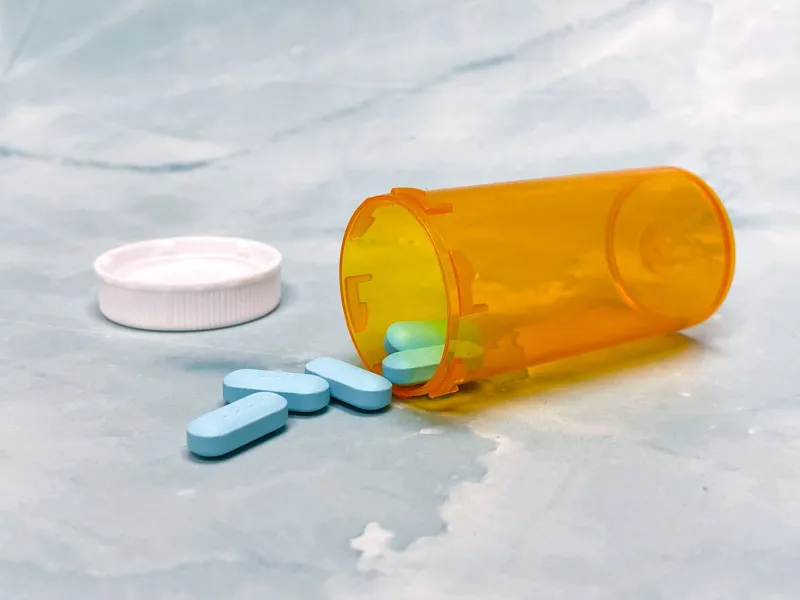
The small printed label affixed to your prescription bottle may be one of the most information-dense documents you encounter on a regular basis—yet most patients admit to skimming it, or skipping it entirely. Phrases like take with food, avoid grapefruit, or do not crush can feel like boilerplate warnings added out of legal caution rather than genuine medical necessity. In most cases, however, these directives reflect decades of pharmacokinetic research, clinical trial data, and post-market surveillance. Ignoring them does not simply risk wasted money—it can compromise the very treatment your physician intended.
This article unpacks the most frequently encountered—and frequently misunderstood—medication label instructions, explaining the underlying science and clarifying what patients should actually do when the guidance seems unclear or contradictory.
What 'Take With Food' Actually Means Pharmacologically
This is perhaps the most common label instruction in American pharmacy, and also one of the most vague. 'Take with food' does not mean eating a full meal is required. It is a directive rooted in one of several distinct mechanisms, and the reason matters.
For some medications—such as ibuprofen and naproxen—food acts as a physical buffer. These nonsteroidal anti-inflammatory drugs (NSAIDs) can irritate the gastric lining by inhibiting prostaglandins that normally protect the stomach mucosa. Food slows gastric emptying and dilutes the drug's contact with that lining, reducing the risk of ulceration or discomfort.
For other drugs, food affects absorption. Certain HIV antiretrovirals, for example, require dietary fat to dissolve properly and reach therapeutic concentrations in the bloodstream. Taking them on an empty stomach can reduce bioavailability by 50 percent or more—meaning you are effectively taking half a dose. Conversely, some antibiotics such as tetracycline are inhibited by food, particularly dairy products, because calcium ions bind to the drug and prevent intestinal absorption. For these medications, the label may specify 'take on an empty stomach' or 'take at least one hour before eating.'
When a label says 'take with food,' a small snack—crackers, a piece of fruit, a few bites of a meal—is generally sufficient unless the prescribing information specifies a high-fat meal. If you are unsure which mechanism applies to your medication, your pharmacist can clarify in under two minutes.
The Grapefruit Warning: More Than a Quirky Footnote
Grapefruit—and to a lesser degree Seville oranges, tangelos, and pomelos—contains compounds called furanocoumarins that irreversibly inhibit an enzyme in the intestinal wall known as CYP3A4. This enzyme is responsible for metabolizing a surprisingly large number of medications, including certain statins, calcium channel blockers, immunosuppressants, and some psychiatric drugs.
When CYP3A4 is blocked, drug concentrations in the bloodstream can rise dramatically—sometimes to dangerous levels. A single glass of grapefruit juice consumed in the morning can affect CYP3A4 activity for up to 24 hours. For patients taking simvastatin, for instance, concurrent grapefruit consumption has been associated with significantly elevated risk of muscle damage, a condition called rhabdomyolysis.
This warning is not a legal formality. If your label lists it, the interaction has been documented in clinical literature and should be taken seriously.
Timing Instructions: Why 'Once Daily' Is Not as Simple as It Sounds
Many patients interpret 'once daily' as meaning any time of day will do. For some medications, that interpretation is correct. For others, the timing carries meaningful consequences.
Thyroid replacement hormones such as levothyroxine are typically directed to be taken in the morning on an empty stomach, 30 to 60 minutes before eating. This is because calcium, iron, and even coffee can bind to the drug and reduce absorption. Taking levothyroxine at bedtime is an evidence-supported alternative for some patients, but consistency—taking it at the same time each day—is what matters most for maintaining stable hormone levels.
Bisphosphonates used to treat osteoporosis, such as alendronate, carry some of the most specific timing instructions in all of pharmacy. Patients are directed to take them with a full glass of water, remain upright for at least 30 minutes afterward, and avoid eating for the same period. This is not excessive caution—bisphosphonates can cause esophageal irritation or ulceration if they linger in contact with esophageal tissue rather than passing quickly into the stomach.
For medications with narrow therapeutic windows, such as certain anticoagulants or seizure medications, taking doses at inconsistent times can produce fluctuations in blood levels that reduce efficacy or increase the risk of side effects.
Storage Instructions: When 'Cool, Dry Place' Carries Real Stakes
Medication storage is one of the most overlooked aspects of pharmaceutical compliance. The bathroom medicine cabinet—where millions of Americans store their prescriptions—is arguably one of the worst locations in the home for drug storage. Heat and humidity can accelerate chemical degradation, altering a medication's potency long before its printed expiration date.
Insulin, for example, must be refrigerated until opened, after which it can be kept at room temperature for a specified period—typically 28 to 30 days depending on the formulation. Exposure to temperature extremes outside this range can denature the protein structure of insulin, rendering it ineffective. For patients managing diabetes, using degraded insulin without realizing it can produce dangerously elevated blood glucose levels.
Nitroglycerin tablets used for angina are famously sensitive to light, heat, and moisture. They should be stored in their original amber glass container and replaced frequently. A patient who carries them in a wallet or a warm car may find them ineffective during a cardiac event—a potentially life-threatening oversight.
'Keep out of reach of children' is a safety instruction with legal and toxicological weight. Many adult medications—iron supplements, cardiovascular drugs, and opioid pain medications among them—can cause serious harm or death in small children at doses that would be routine for an adult.
When Instructions Seem Contradictory or Unclear
It is not uncommon for patients managing multiple conditions to encounter label instructions that appear to conflict. One medication may require morning administration while another specifies the same timing with incompatible dietary restrictions. A patient may be told to take two drugs 'with food' but also to separate them by two hours.
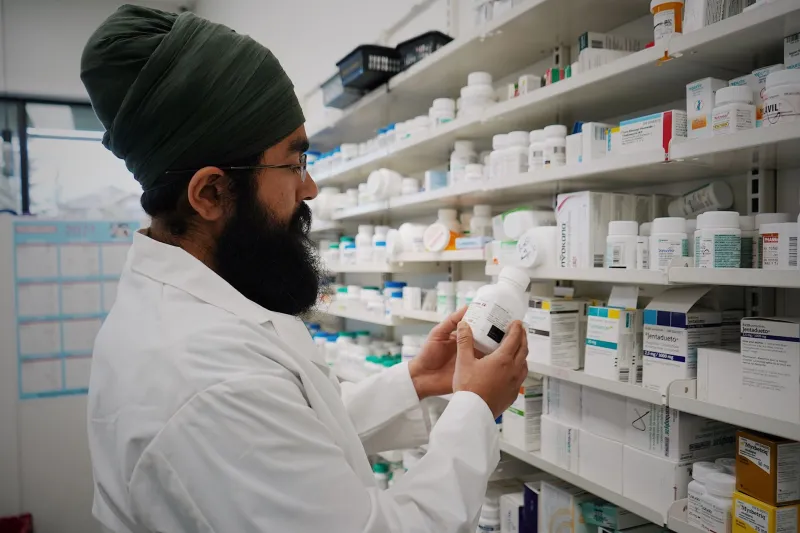
In these situations, the most reliable resource is not a search engine—it is a pharmacist. Under federal law, pharmacists are required to offer counseling on new prescriptions, and that obligation exists precisely because labels cannot anticipate every patient's unique circumstances. A clinical pharmacist can review your full medication list, identify genuine conflicts, and provide a practical administration schedule that honors the pharmacological intent of each directive.
Patients should also feel empowered to ask their prescribing physician why a specific instruction has been given. A brief conversation at the point of prescribing—or a follow-up call to the office—can prevent weeks of suboptimal therapy.
The Label as a Clinical Document
A medication label is not fine print to be dismissed. It is a condensed clinical document—the product of drug trials, regulatory review, and pharmacological evidence—translated into language intended for a general audience. The translation is imperfect, and the brevity is sometimes frustrating. But the intent behind each instruction is almost always grounded in science that directly affects your health outcomes.
The next time you open a new prescription, take an additional 60 seconds to read the label fully. If anything is unclear, your pharmacist is the most immediate and qualified resource available to you. Understanding why you are taking a medication—and how to take it correctly—is not a passive act. It is one of the most direct ways a patient can participate in their own care.