Expired Medications: Separating Pharmaceutical Science from Shelf-Date Panic
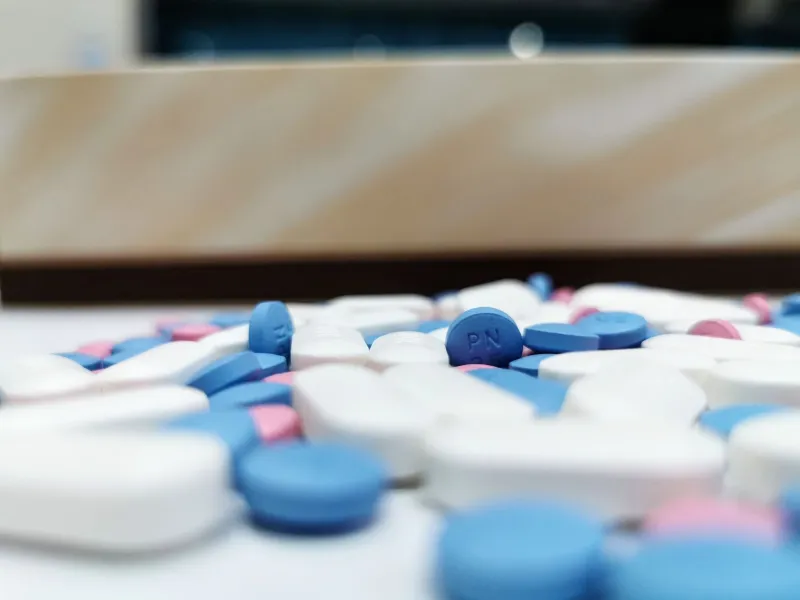
Open almost any American medicine cabinet and you are likely to find at least one bottle with an expiration date that has quietly come and gone. The instinct for most people is immediate: discard it. Federal messaging, pharmacy guidance, and decades of public health campaigns have conditioned consumers to treat an expired drug as a hazardous relic—something between useless and dangerous.
But what does that printed date actually represent? And is throwing away a medication the moment it crosses that threshold always the right call? The answer, according to pharmaceutical scientists and stability researchers, is more complicated—and more interesting—than most patients have been led to believe.
What an Expiration Date Actually Measures
The U.S. Food and Drug Administration (FDA) requires manufacturers to affix an expiration date to every drug product sold in the United States. That date is not a warning that the medication will suddenly become toxic on day one after the deadline. Rather, it represents the last date through which the manufacturer can guarantee, based on stability testing conducted under controlled conditions, that the product retains at least 90 percent of its labeled potency.
Stability testing typically involves storing samples at specific temperatures and humidity levels and analyzing them at regular intervals. The expiration date is essentially the endpoint of that testing window—not a cliff beyond which chemistry collapses. Many drugs, if stored correctly, continue to meet potency standards well past the date on the label. The manufacturer simply has not tested beyond that point, and is therefore legally unable to make any guarantee.
This distinction—between not tested and not safe—is critical for patients to understand.
The Military Study That Changed the Conversation
In the late 1980s, the U.S. Department of Defense faced a logistical and financial challenge: it had stockpiled billions of dollars' worth of medications that were approaching their labeled expiration dates. Replacing that inventory would have cost an estimated $1 billion annually.
In response, the FDA collaborated with the military to launch the Shelf Life Extension Program (SLEP), one of the most comprehensive real-world analyses of medication stability ever conducted. Researchers tested 122 different drug products across multiple storage conditions. The findings were striking: roughly 88 percent of those drugs remained fully effective well beyond their expiration dates—in some cases by years, and occasionally by more than a decade.
The study, which has been updated and referenced repeatedly in peer-reviewed literature including a widely cited 2012 paper published in JAMA Internal Medicine, has never been designed as a directive for patients to ignore expiration dates. However, it fundamentally reshaped how pharmaceutical scientists and policy researchers think about stability testing and what expiration dates do—and do not—communicate.
Drugs That Degrade: When the Date Genuinely Matters
The nuanced message from stability science should not be interpreted as a blanket endorsement for consuming any expired medication. Certain drug classes carry real risks when they degrade, and patients should treat those categories with particular caution.
Liquid formulations, including oral suspensions and eye drops, are generally more susceptible to microbial contamination and chemical breakdown than solid dosage forms. Nitroglycerin, used for acute chest pain, is highly volatile and loses potency relatively quickly, even before expiration if stored improperly. Insulin and other biological medications, including vaccines and immunoglobulins, are temperature-sensitive and should never be used past their labeled dates.
Tetracycline antibiotics have historically been cited as potentially harmful when expired, though modern formulations have largely addressed the degradation pathways that caused concern in older studies. Still, this class warrants caution.
Conversely, many solid oral medications—tablets and capsules of common drugs such as antihistamines, certain analgesics, and some antihypertensives—have shown remarkable stability in controlled analyses.
Proper Storage Is the Variable Most Patients Underestimate
Every expiration date assumes the product has been stored according to label instructions, typically at room temperature (59–77°F) in a dry environment. The bathroom medicine cabinet—the traditional home for medications in American households—is actually among the worst possible storage locations, due to heat and humidity from showers and baths.
A medication stored on a sunny kitchen windowsill or in a hot car glove compartment may degrade significantly before its expiration date, while the same drug kept in a cool, dark closet may remain effective considerably longer. Storage conditions are, in many respects, a more meaningful predictor of a medication's current quality than the date printed on the bottle.
What This Means for Patients at the Pharmacy Counter
This information is not a license for self-medication with old drugs or a reason to skip refills. However, it does carry practical implications—particularly for patients who face financial barriers to medication access.
In a country where prescription drug costs remain a serious concern for millions of Americans, the reflexive disposal of medications that may still be fully effective represents both a financial loss and an environmental issue, as improperly discarded drugs can contaminate water supplies. The FDA maintains a list of approved take-back programs and mail-back options precisely because disposal matters.
For patients who discover an old supply of a non-critical medication—a pain reliever, an antihistamine, a stable antihypertensive tablet—the appropriate step is not panic, but consultation. Speaking with a pharmacist before assuming an expired medication is worthless is always advisable. Pharmacists are among the most accessible healthcare professionals in the United States and are trained to assess these situations on a drug-by-drug basis.
A Call for More Honest Patient Education
The pharmaceutical industry and regulatory agencies have legitimate reasons for maintaining conservative expiration date policies. Manufacturers cannot be expected to test every batch indefinitely, and standardized labeling protects consumers from unknowingly taking degraded products.
But there is a meaningful difference between regulatory conservatism and public misinformation. Patients deserve a clearer understanding of what expiration dates represent—and what they do not. A date on a bottle is a manufacturer's guarantee, grounded in specific testing windows and storage assumptions. It is not a universal verdict on whether a given tablet in a given cabinet is safe or effective today.
At OpaMeds, our commitment is to equip patients with the kind of evidence-informed perspective that helps them ask better questions—of their pharmacists, their physicians, and the labels they have been reading for years without a full explanation of what the fine print actually means.