When the Pharmacy Shelf Is Empty: A 2026 Patient's Playbook for Drug Shortages
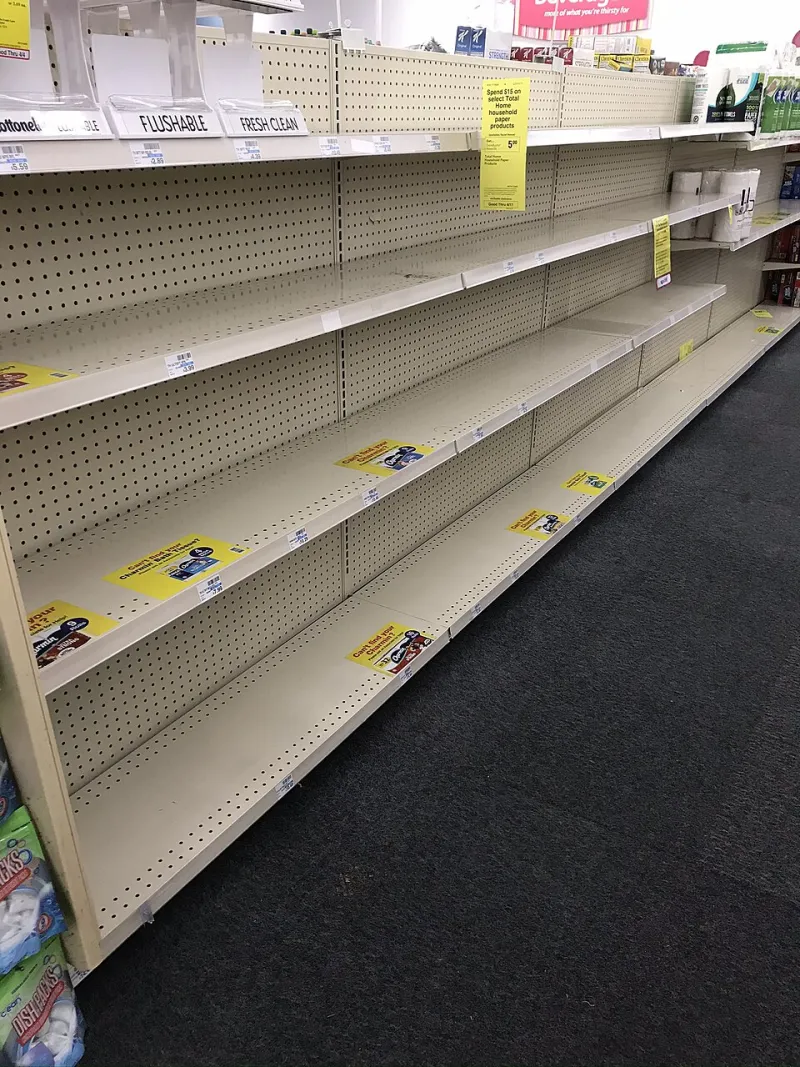
Photo: Michael Rivera, CC BY-SA 4.0, via Wikimedia Commons
An empty pharmacy shelf is more than an inconvenience. For a patient with diabetes, epilepsy, or a recent transplant, an unavailable medication can turn a routine refill into a same-day search for alternatives. In 2026, drug shortages remain a persistent feature of the US supply chain, even when attention to any single product fades. The better response is not panic. It is preparation, clear questions, and a documented plan.
At OpaMeds, we treat drug information as a practical tool. A shortage does not mean you must accept an unsafe substitute or skip treatment. It means you need to move through a sequence of verified steps.
Why Drug Shortages Happen
Shortages arise from many causes, and they rarely have a single villain. Manufacturing disruptions, quality problems, raw material constraints, sudden demand spikes, and distribution decisions can all reduce supply. A product may be available in one strength but not another. One manufacturer may have inventory while another is on backorder. These details matter because the pharmacy counter is not a single national warehouse; it is the end of a complicated supply chain.
For patients, the practical lesson is that availability is local and changeable. A drug that is scarce today may arrive next week. A drug that is plentiful at one chain may be unavailable at another. That is why checking early is more useful than waiting until the last tablet.
Check Availability Before You Leave the Prescriber's Office
Ask your prescriber or their staff whether the prescribed product is known to be affected by a current shortage. Not every clinician has real-time pharmacy inventory, but many practices can check wholesaler status or ask a pharmacist. If you use a regular pharmacy, call or use its app before you leave the office. Ask whether the exact product, strength, and quantity are in stock.
If the answer is no, ask whether the prescription can be sent to a pharmacy that has supply, if your insurance plan allows it. For electronic prescriptions, the prescriber may be able to redirect the order before it is filled. Do not assume that every pharmacy can see every other pharmacy's inventory. A few phone calls can save a day of uncertainty.
What to Ask Your Pharmacist
A pharmacist can translate a vague shortage into specific options. Useful questions include:
- Is this a temporary backorder, a manufacturer discontinuation, or a local stock issue?
- Do you have an estimated restock date, and how reliable is that estimate?
- Is another manufacturer or package size available?
- Can you order the product, and when would it arrive?
- Is a partial fill possible so I can start treatment while the balance is ordered?
- Is there a different strength that would require a new prescription?
- Are there therapeutic alternatives my prescriber should consider?
Write down the answers. If you need to call your prescriber, specific information speeds the process. A pharmacist saying the product is on indefinite backorder is more useful than a general report that the drug is hard to find.
Safe Substitutes Are Not Interchangeable
A substitute is not automatically safe just because it treats the same condition. The safest substitution is usually the same active ingredient from a different manufacturer, assuming the dosage form and strength are identical. A different strength may be manageable, but it requires a new prescription and clear instructions. A different drug altogether requires clinical review, because it may have different risks, monitoring needs, and interactions.
Be cautious with imported products, online sellers, and unfamiliar compounding sources. Not every foreign version of a US-approved drug is legally available or quality-assured. If compounding is suggested, ask whether the compounder is licensed and whether the preparation is appropriate for your condition. For narrow therapeutic index drugs, such as some antiseizure medicines, thyroid products, and blood thinners, even small differences in formulation can matter. Ask whether extra monitoring is needed.
Advocate Without Compromising Safety
Do not stretch a dose, skip days, or share medication to bridge a shortage. Those choices can cause harm. Instead, keep an updated medication list, including strengths and prescriber names. Ask your insurer whether it can approve a temporary alternative or a different pharmacy. If the shortage affects a critical medicine, ask your prescriber whether a patient assistance program, specialty pharmacy, or hospital outpatient pharmacy has supply.
A shortage is a system problem, not a personal failure. The goal is to keep treatment as close to the original plan as possible while verifying every change. With early checks and specific questions, most patients can navigate an empty shelf without turning it into a crisis.
This article is for educational purposes and does not replace advice from your prescriber or pharmacist.