FDA Recalls and the Patients Who Never Find Out: Closing the Gap Between Regulatory Action and the Medicine Cabinet
When the Food and Drug Administration issues a drug recall or safety alert, most Americans assume the news will find its way to them—through their pharmacist, their physician, perhaps a phone call or a letter in the mail. In practice, that assumption is dangerously optimistic. A substantial portion of pharmaceutical safety communications never reaches the patients actually taking the affected drugs, leaving millions of people unaware that the medication sitting in their bathroom cabinet may have been flagged for contamination, mislabeling, or serious adverse effects.
The disconnect between regulatory action and patient awareness is not a new problem, but it is one that receives far less public attention than it deserves.
How the FDA's Recall System Actually Works
The FDA does not always initiate recalls itself. In the majority of cases, pharmaceutical manufacturers voluntarily withdraw a product after identifying a problem—sometimes prompted by FDA pressure, sometimes acting independently. The agency then classifies the recall according to the severity of the risk involved.
A Class I recall represents the highest level of concern, reserved for situations where continued use is likely to cause serious adverse health consequences or death. A Class II recall applies when a product may cause temporary or medically reversible harm, while a Class III recall covers situations where use is unlikely to result in significant health consequences, though a violation of FDA regulations has still occurred.
This classification system is meaningful to regulators and healthcare professionals. For the average patient, however, the distinction rarely matters—because in many cases, they never learn about the recall at all.
The Alert That Reaches Doctors, Not Patients
One of the least visible mechanisms in pharmaceutical safety communication is the Dear Healthcare Provider (DHCP) letter. When a manufacturer or the FDA identifies a significant safety concern—new warnings about drug interactions, updated contraindications, emerging data on serious side effects—this information is typically communicated directly to physicians, pharmacists, and hospital systems through a formal letter.
These letters are a legitimate and often necessary tool. Healthcare providers are positioned to interpret complex safety information and make clinical decisions accordingly. The problem is structural: DHCP letters are not designed to reach patients, and there is no federal mandate requiring that a prescribing physician contact every patient who received the affected medication.
In 2022, a widely used blood pressure medication was the subject of a DHCP letter alerting prescribers to a newly identified interaction risk with a common over-the-counter pain reliever. The letter was distributed to cardiology practices and hospital systems across the country. Many patients on that regimen continued taking the same combination of drugs for weeks or months afterward, simply because no one told them anything had changed.
Real Recalls, Real Gaps
The 2018–2019 valsartan contamination crisis offered a stark illustration of how the system can fail patients at scale. Valsartan, a medication used to treat high blood pressure and heart failure, was found to contain N-nitrosodimethylamine (NDMA), a probable human carcinogen, due to a manufacturing process change at overseas production facilities. The FDA issued multiple recall notices over an extended period, and the story did receive some mainstream media coverage.
Yet surveys conducted in the aftermath found that a meaningful percentage of patients taking recalled valsartan lots had not been directly notified by their pharmacy or prescriber. Some continued filling prescriptions from unaffected lots without ever knowing the extent of what had occurred. Others discarded medications unnecessarily, confused by conflicting information circulating online.
The valsartan situation was not an isolated event. Similar contamination concerns have since been identified with other medications in the same drug class, as well as with ranitidine (Zantac), which was ultimately withdrawn from the market entirely in 2020 after NDMA concerns proved systemic rather than batch-specific.
Why Patients Fall Through the Cracks
Several structural factors contribute to the notification gap.
Pharmacy record fragmentation is among the most significant. Americans fill prescriptions at multiple locations—chain pharmacies, mail-order services, grocery store pharmacies, hospital outpatient facilities. There is no single unified database that allows a recall notice to automatically trigger patient outreach across all dispensing points. A pharmacy can only notify the customers in its own records.
Physician bandwidth presents another barrier. Primary care providers managing large patient panels are not always positioned to review every DHCP letter promptly and cross-reference their entire patient roster. In a busy practice, a safety communication may be reviewed by a staff member and filed without triggering direct patient outreach.
Media coverage is inconsistent. High-profile recalls involving well-known brand names tend to generate news coverage. Recalls affecting generic medications—which account for approximately 90 percent of dispensed prescriptions in the United States—frequently do not.
Finally, patient engagement with official sources is low. The FDA maintains a publicly searchable recall database at fda.gov, updated regularly, but the vast majority of patients are unaware it exists or do not check it routinely.
What You Can Do Right Now
The information gap is real, but it is not insurmountable. Patients who take a proactive approach to monitoring their medications can significantly reduce their exposure to undetected safety risks.
Sign up for MedWatch alerts. The FDA's MedWatch program (fda.gov/safety/medwatch) allows consumers to subscribe to email notifications about drug recalls, safety communications, and market withdrawals. This is the most direct channel available to patients and requires only a few minutes to configure.
Bookmark the FDA's drug recall database. The searchable recall database at fda.gov/drugs/drug-recalls lists current and recent recalls by drug name, manufacturer, and lot number. Checking this resource periodically—particularly when filling a new prescription or after receiving a refill—takes less time than most people expect.
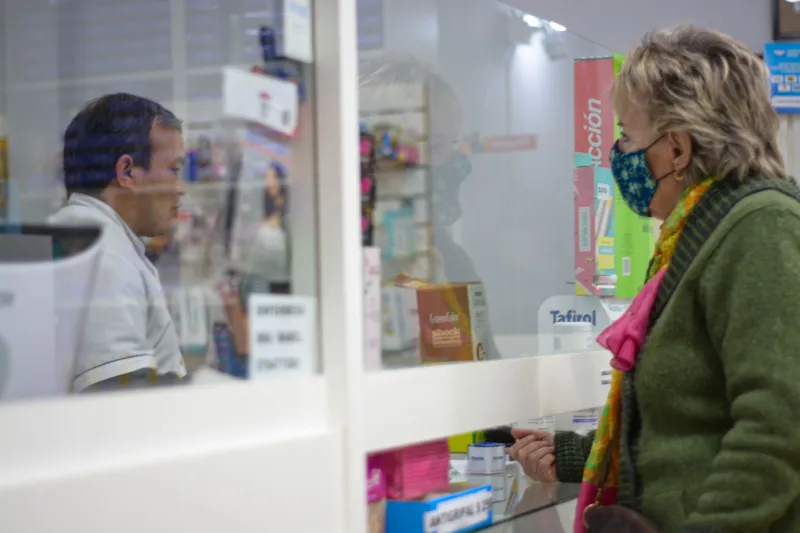
Ask your pharmacist directly. Pharmacists are among the most accessible healthcare professionals in the United States, and they have access to recall notification systems that most patients do not. When picking up a refill, a straightforward question—"Has there been any recent safety news about this medication?"—is entirely appropriate and often welcomed.
Keep your prescription records in one place. If you use multiple pharmacies, consider consolidating to a single provider where possible. A pharmacist who holds a complete medication history is better positioned to flag concerns and reach you if a recall affects something you have been dispensed.
Verify lot numbers when you can. Recalls are frequently lot-specific rather than product-wide. The lot number printed on your medication bottle can be cross-referenced against the FDA's recall notices to determine whether your specific supply is affected.
A System That Needs Patient Advocates
The FDA's recall infrastructure is more sophisticated today than it was a decade ago, and improvements in electronic prescribing have created new pathways for safety information to flow through the healthcare system. But the final link in that chain—the connection between a regulatory action and the patient whose health depends on accurate information—remains inconsistently maintained.
Until systemic reforms require direct patient notification as a standard component of pharmaceutical recall procedures, the responsibility for staying informed falls disproportionately on individuals. That is an imperfect arrangement. It is also, for now, the reality.
Knowing how the system works—and where its limitations lie—is the first step toward making sure a recall you need to know about does not pass you by unnoticed.